

When you're buying property in BC, one document quietly does a lot of heavy lifting: the title. Most buyers glance at it, confirm their name is spelled right, and move on. But a title document tells you far more than that — and understanding what's on it can save you from some expensive surprises.
Here's how to read one.
What Is a Title Document?
In BC, land ownership is recorded through the Land Title and Survey Authority (LTSA). When a property is registered, the LTSA creates an official record — the title — that shows who owns the property and what claims or restrictions are attached to it.
Your notary or lawyer will pull a current title search as part of any real estate transaction. You can also search titles yourself at ltsa.ca for a small fee. It's worth doing before you make an offer on a property, not just after.
The Basic Layout
A BC title document is broken into sections. They look dry, but each one means something specific.
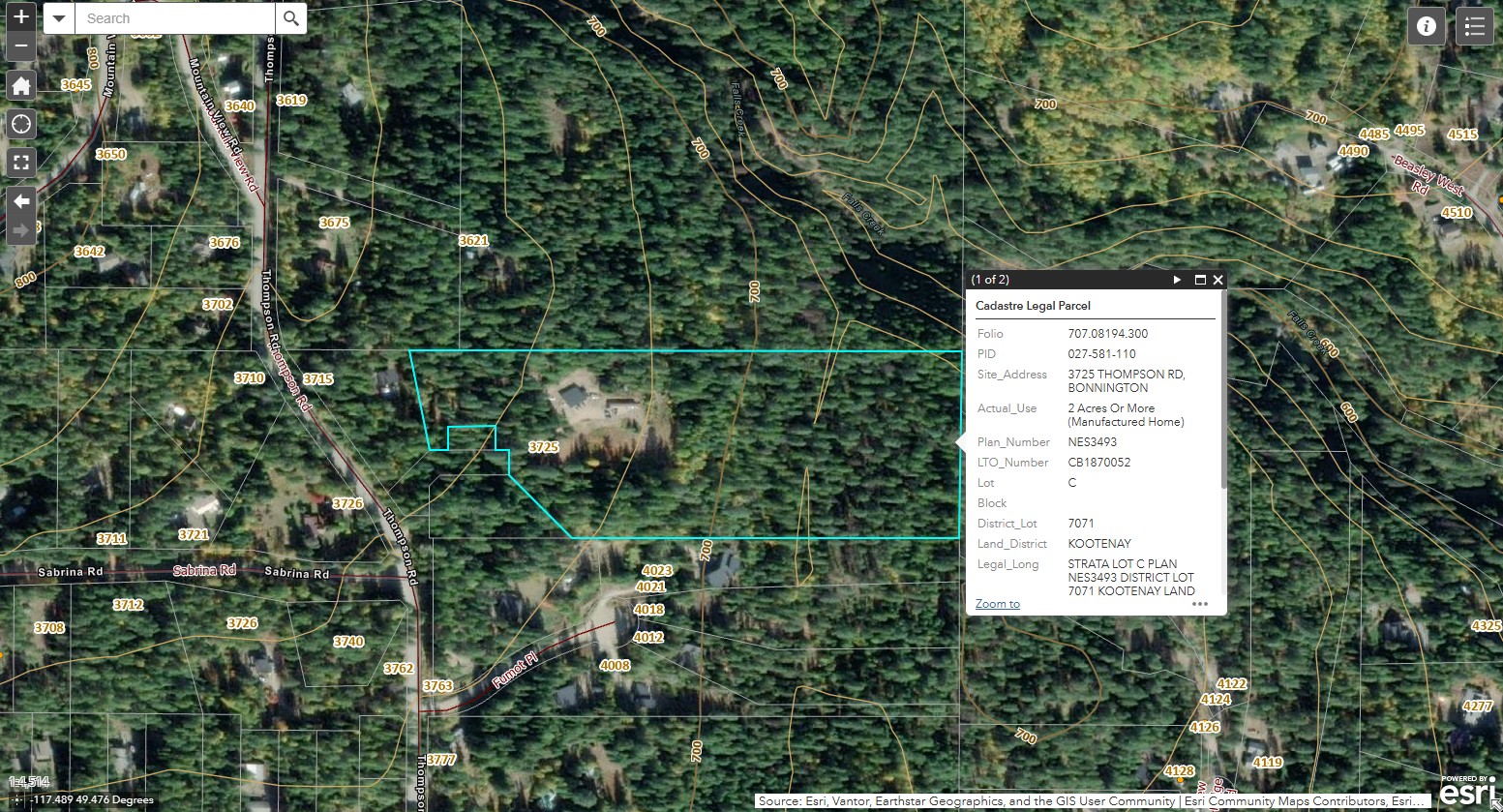
Parcel Identifier (PID): A unique nine-digit number assigned to the parcel of land. This is how the property is identified in the land title system — not by address, but by PID.
Legal Description: Describes the land itself — lot number, plan number, district lot, and land district. This is the formal way the boundaries are defined. It ties back to a survey plan registered with the LTSA.
Registered Owner: Who legally owns the property. Pay attention to how ownership is held — joint tenancy vs. tenants in common matters, especially for estate planning and what happens if an owner dies.
Charges, Liens, and Encumbrances
This is the section most buyers underestimate. It lists everything registered against the title — meaning claims, rights, or restrictions that attach to the land regardless of who owns it.
Common items you'll see:
In the West Kootenays, rural and lakeshore properties often carry multiple registered interests — easements for shared driveways, covenants tied to subdivision approvals, or old rights of way for logging or hydro access. Always read this section carefully.
What Isn't on the Title
Title shows registered interests. It doesn't show everything.
A few things title won't tell you:
This is why a title search is one piece of due diligence, not the whole picture.
Title Insurance vs. Title Search
Some buyers ask whether title insurance replaces the need to read the title. It doesn't. Title insurance protects against certain defects discovered after closing — fraud, errors, undisclosed liens. It doesn't make the covenants and easements on your title disappear, and it won't tell you what restrictions apply to the land you're about to buy.
Read the title. Then get the insurance.
Working Through It
If you pull a title and see a list of registered charges you don't recognize, don't panic — but do ask questions. Your realtor can help you understand what's typical for that type of property. Your notary or lawyer can explain the legal implications of any specific charge and confirm what will be discharged at closing versus what stays on title permanently.
If you're looking at a property in Nelson or anywhere in the West Kootenays and want help making sense of what's on the title before you make an offer, feel free to reach out — it's a straightforward conversation that's worth having early.